A fact most people get wrong
When you lose fat, most of the weight leaves in your breath.
People guess sweat, or that fat turns into “energy” and vanishes.
The mass has to go somewhere.
Most of that mass leaves when you exhale.

BestFed
Teaching about food · The 1998–2000 restore is at wickland.org/archives/bestfed
People guess sweat, or that fat turns into “energy” and vanishes.
The mass has to go somewhere.
Most of that mass leaves when you exhale.
Ruben Meerman, with Andrew Brown, is the public explainer of this. Their 2014 BMJ paper — “When somebody loses weight, where does the fat go?” — traces the atoms instead of letting the mass vanish into “energy.” Numbers on this page come from the UNSW write-up of that paper. The molecules below are original drawings for this page, not copies of their slides.
Tap a tile. Same answers if you use the keyboard. Immediate — no submit button, no scoreboard.
Pick a tile. Carbon, hydrogen, the extra oxygen — or the guess most people start with.
Tap a leftover, then tap the bin it belongs in. Wrong bin talks back. Right bin keeps it.
Nothing sorted yet. Tap a leftover first.
The body is not just C, H, and O in fat. Food has to keep supplying the other common pieces. Tap a tile for the one-line job. No doses. No “eat 200 grams.”
Tap a piece. One line, then back to the food.
Start with spent energy, not a grocery list. A body is always using fuel — staying warm, pumping blood, repairing tissue, thinking, walking across a room. If you can hold this loop, the rest of the page is detail.
Quiet work plus motion. That is the demand.
Food and drink — protein, fat, carbohydrate, water, vitamins, minerals.
Break it down. Absorb what can be used. Burn some now. Store some. Rebuild with some.
Carbon dioxide in the breath. Water in urine, sweat, and breath vapor. Nitrogen leftovers as urea. What was never absorbed, in stool.
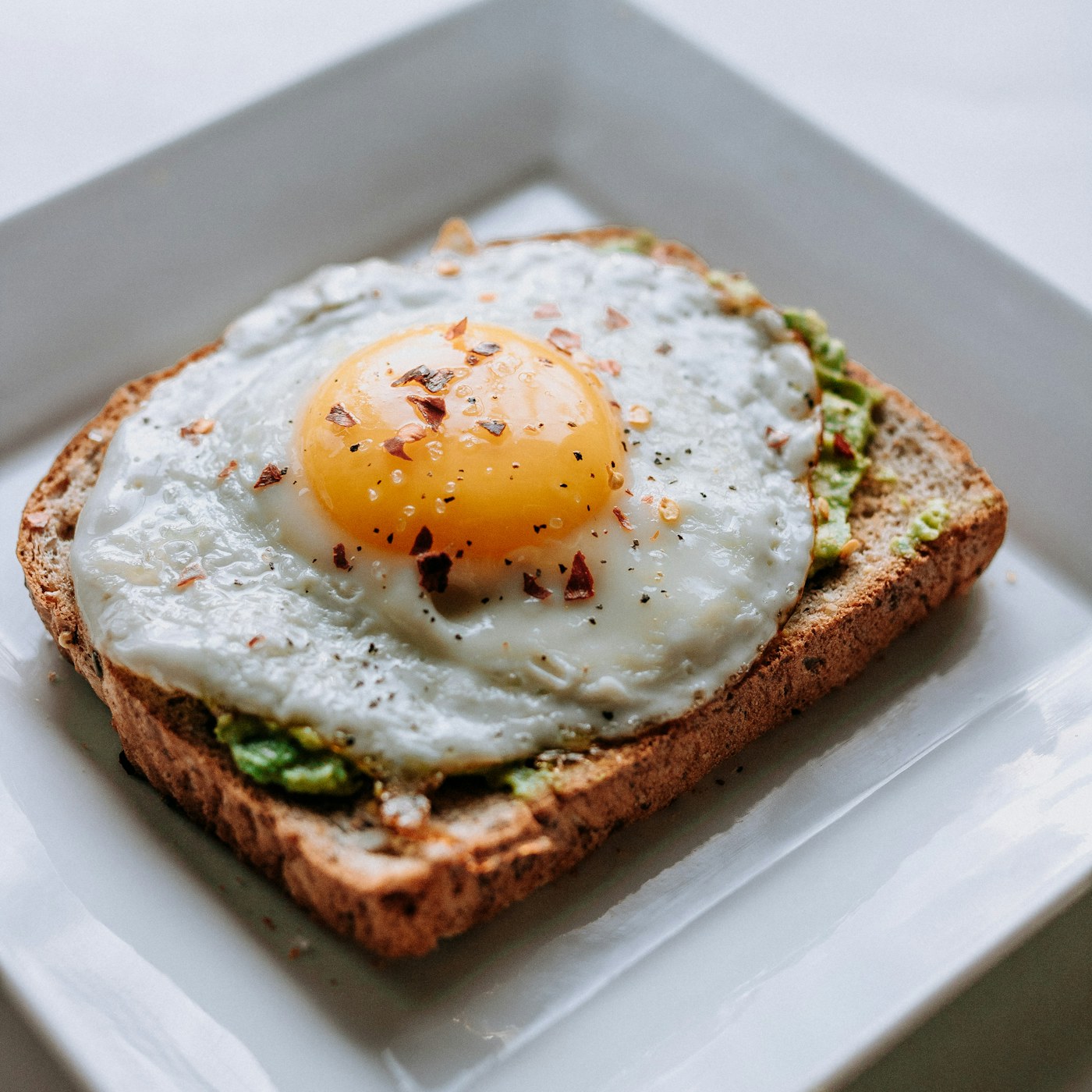
Same kitchen, three jobs. The names are not moral ranks.
Mostly for building and repairing — muscle, skin, enzymes, working parts. Extra can be burned or rearranged. The nitrogen leftover is a later stop.
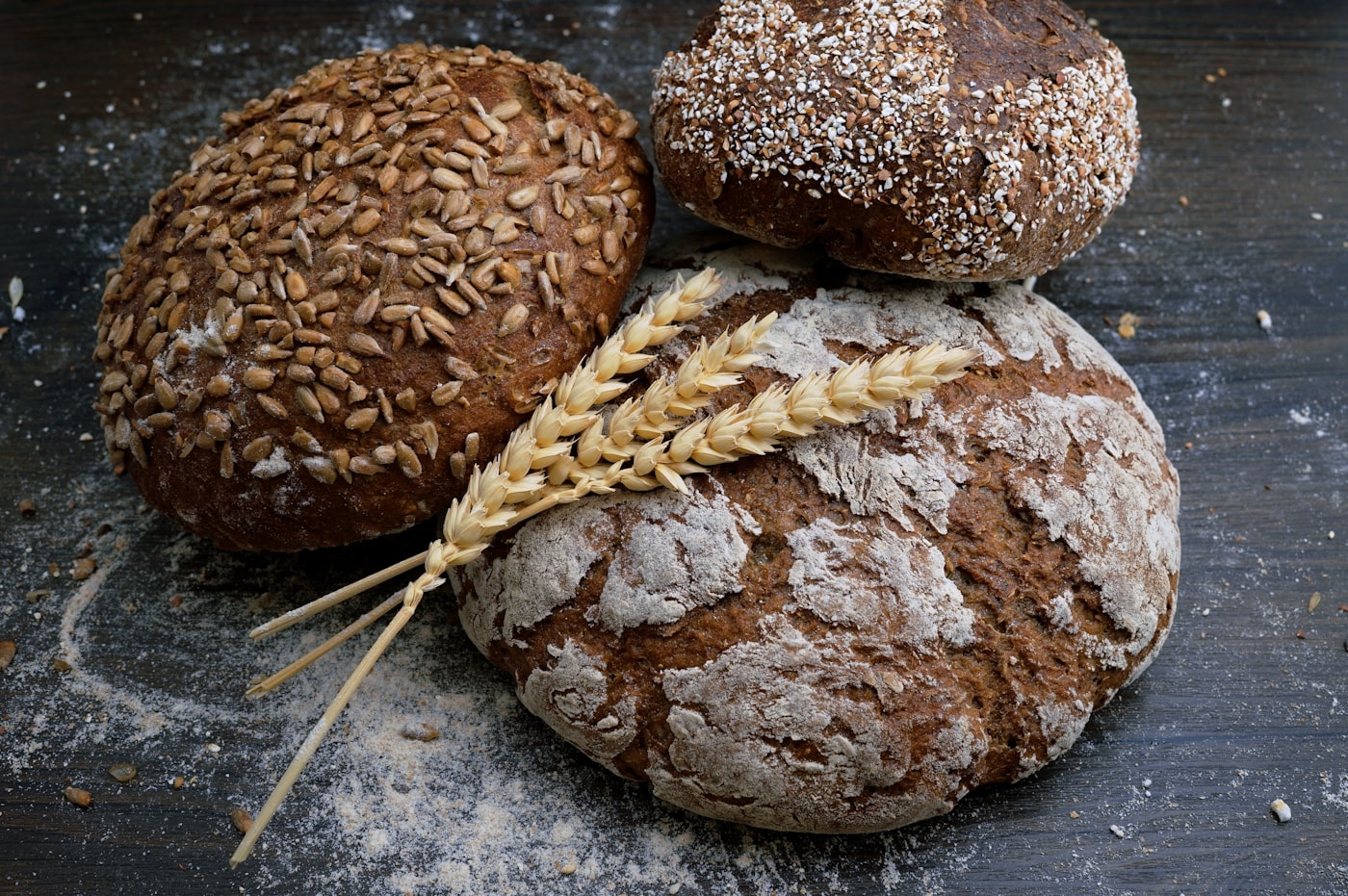
Ready fuel. The body stores a limited amount as glycogen, and can turn extra toward fat storage. Not a villain. Not a virtue.
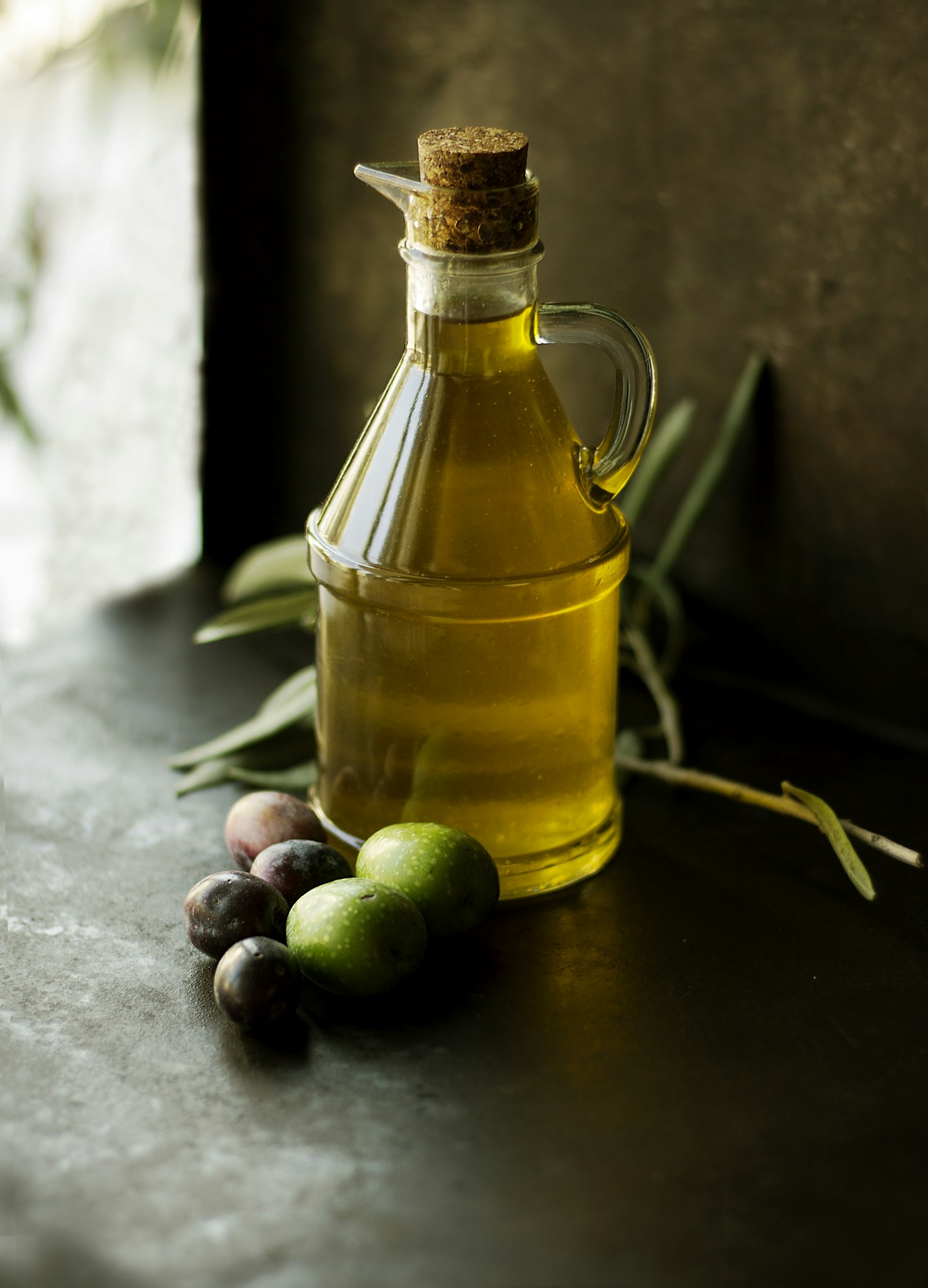
Dense fuel, and the form used for long-term storage. Dietary fat can be burned or stored. Body fat is stored fuel waiting on the path above.
Building, burning, storing. That is enough to start. No grams-per-pound rules on this page.
Vitamins do not all leave the same way. This is a solubility note, not a disease list and not a supplement plan.
A, D, E, and K. They ride with fat. The body can hold onto them. Extra can accumulate. More is not automatically better.
The B vitamins and vitamin C. Extra usually leaves in the urine. A bright yellow pee after a B-complex is an ordinary sight — not a diagnosis.

After the middle of the path, some pieces are still left to clear.
Some of the nitrogen from protein leaves through the kidneys as urea. That is normal kidney work.
Carbohydrate and fat that are oxidized head toward carbon dioxide and water — the breath path already taught above.
What was never absorbed leaves in stool. That is not the same as “the body rejected a bad food.”
Some leftovers are ordinary. Some become a problem if the load is high or the person is already ill. We will not stamp foods “toxic” or “perfect.” We are not your doctor.
Three different places get mixed up in conversation. They are not the same.
Blood pH is tightly buffered. Lungs and kidneys keep it in a narrow range. Food does not “alkalinize the blood” the way a wellness slogan says. That slogan is not a fact this page will teach.
Sugar and frequent sipping really do make a local acid at the tooth surface. That is a mouth story, not a blood story.
Urine pH can move with what you eat and drink. That is the kidneys doing their job. A change in urine is not proof that the blood went alkaline.
If calcium is high and magnesium is not there, where does the body put the calcium — bone, or vessel?
We will not answer it as a slogan. Calcium is used in bone and teeth, and also in muscle, nerves, and clotting. Calcium in vessel walls is a real topic in medicine. It is not settled kitchen fact that “extra calcium goes to the arteries,” and this page will not treat that line as settled fact.
The usual careful conversation mentions cofactors alongside calcium: magnesium, vitamin D, and vitamin K. Food-first is the humble start. Personal labs belong with a clinician. This is not a treatment for bone loss or heart disease.
BestFed’s house goal, not a medical order:
No food from 6 p.m. to 10 a.m.
No caffeine after 5 p.m.
A gap from dinner to late morning is about sixteen hours. That shape is a common time-restricted pattern. It is how this house aims to run a kitchen — not a protocol we are writing for your body.
Longer fasts, and any medical condition (including medicines that affect blood sugar), belong with a clinician. We will not invent a number for “how long before fasting is dangerous.”
The fuel ideas do not change if the plate does. Building, burning, storing, and clearing leftovers still apply. Only the example foods change.
None of these lists is a perfect plate. None is a toxic plate. They are pictures of the same path.
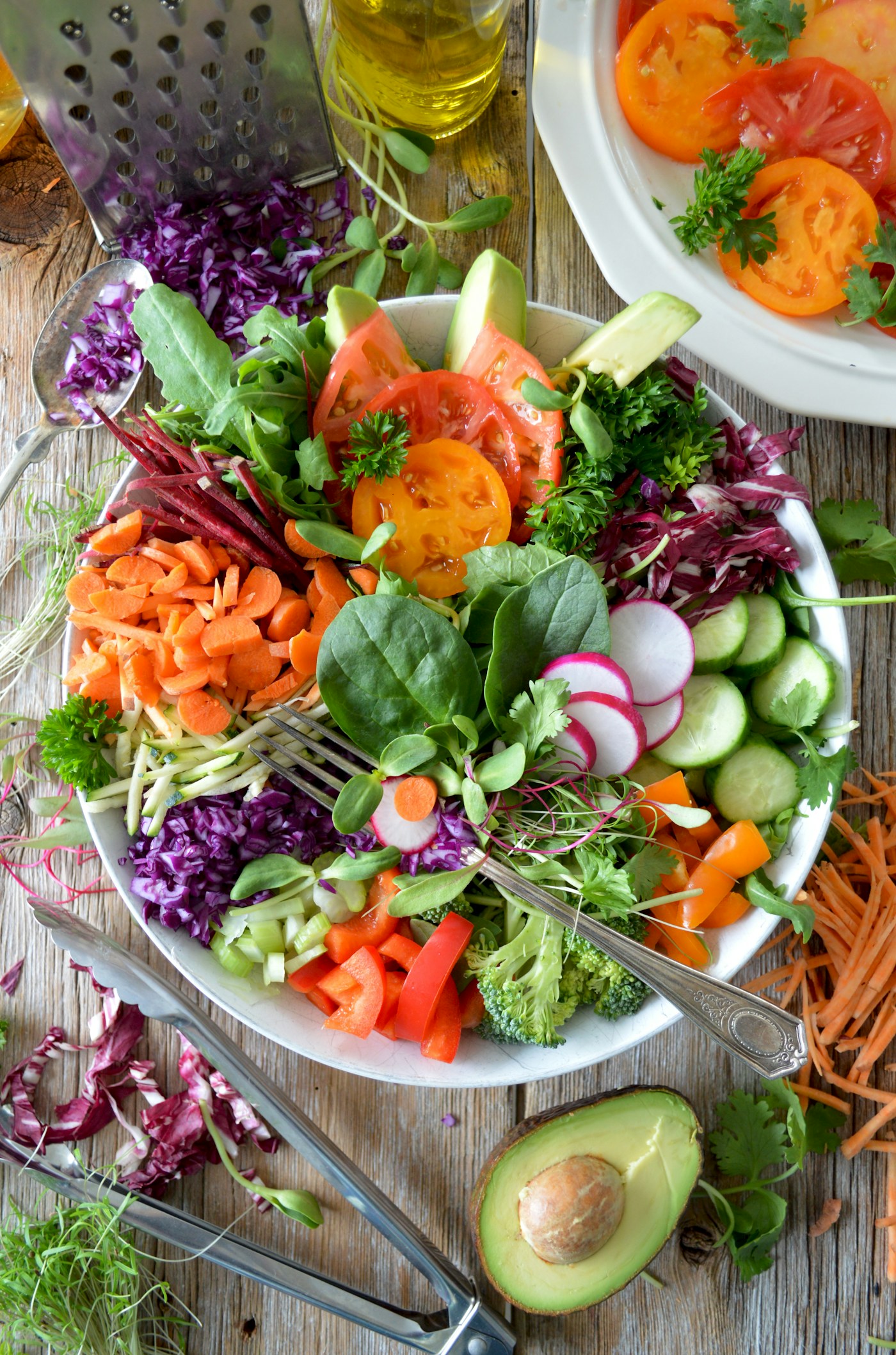
You already walked the path. These are ordinary foods and one storage box — placeholders, not a protocol, and not a ranked “best of.”
Protein you can cook once and eat again. Eggs if that is your kitchen. Beans if it is not. Same job on the path: building, and some fuel.
Commission disclosure: Amazon purchases through this shop’s Associates link (once tagged) may earn a commission.
Fat for the pan and the plate. Buy a size you will finish. Store it dark and cool. This is a cooking note, not a health claim. No price invented here.
Commission disclosure: Amazon purchases through this shop’s Associates link (once tagged) may earn a commission.
Spinach, or another leaf you will cook. A mineral-bearing vegetable, not a miracle. Frozen is fine if fresh wilts in your fridge.
Commission disclosure: Amazon purchases through this shop’s Associates link (once tagged) may earn a commission.
Pumpkin seeds, beans, and leafy greens are ordinary food sources. Some people also shop for magnesium glycinate. That is a form name, not a dose, and not a treatment. If you already take medicines or have kidney disease, that question is for a clinician.
Commission disclosure: Amazon purchases through this shop’s Associates link (once tagged) may earn a commission.
Cook once, eat later. Glass with a latch beats a graveyard of takeout lids. This is gear, not a program.
Commission disclosure: Amazon purchases through this shop’s Associates link (once tagged) may earn a commission.